
Stories of the Battenkill
The Battenkill Fly Fishing & Arts Festival brings together people whose work is deeply connected to this place, its river, and its creative spirit. These conversations offer a closer look at three festival participants whose perspectives reflect different sides of the Battenkill experience, from fly fishing and conservation, to photography, to the artistic legacy of Arlington. Together, they help tell a broader story about why this river continues to inspire anglers, artists, and the community that surrounds it.
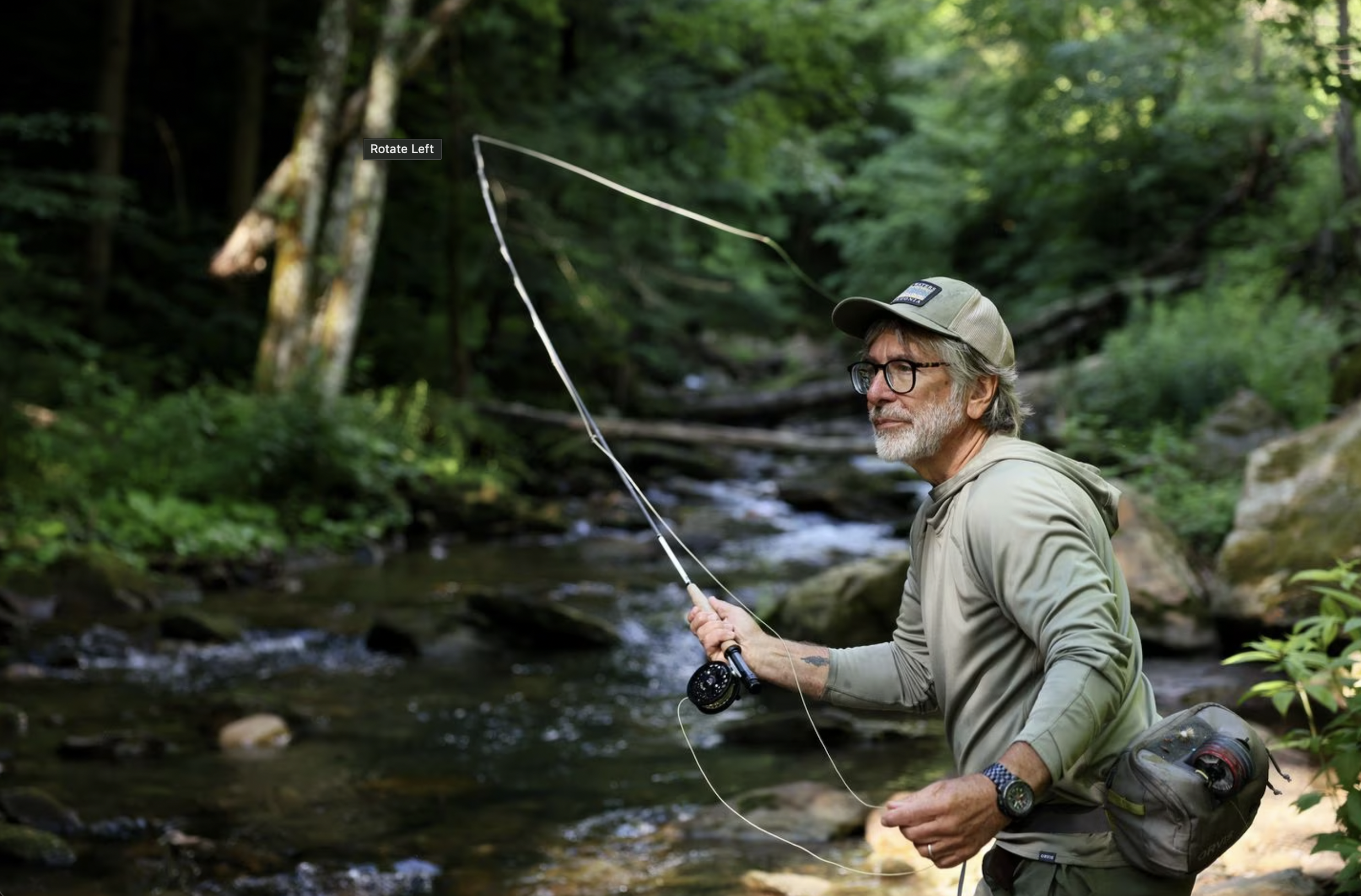
Tom Rosenbauer on a Half Century of Fishing the Battenkill
We sat down with fly-fishing legend Tom Rosenbauer, host of the Orvis Fly Fishing Podcast, author of more than 35 books on the sport, and keynote speaker at this year’s festival, to talk about what the Battenkill has taught him over nearly five decades on the water. As both a student and steward of trout rivers, Tom reflects on the Battenkill’s unpredictability, beauty, and ongoing conservation challenges, while offering a few practical insights for anglers looking to better understand it.
Q: You’ve been fishing the Battenkill for almost 50 years. What is it about the river that’s special, and why is it still fascinating to you?
Tom: Like many trout rivers it’s always unpredictable. I fish it at times when the fishing should be lights out, and it stinks. Other times, I just want to fish it and am surprised by what I see. Plus it is such a manageable and gorgeous river, where the scenery has little changed in the 50 years I have been fishing it. Plus, to catch a wild brook trout in a river that size is rare in most parts of the northeast, outside of Maine.
Q: Without giving away any secrets, what’s your favorite strategy on the Battenkill?
Tom: Dry flies if fish are rising, but I also love first-light nymphing.
Tom’s Quick Tips for Battenkill Success
Pay attention to drag. The Battenkill looks smooth but has many conflicting currents that are not immediately apparent.
Battenkill fish are spooky. Spend as much time approaching a fish as you can stand, and make your first cast count because you may not get another one.
Move around a lot. The Battenkill does not have a super dense fish population, and you need to find the trout.
Q: What do you think are the main conservation challenges the river faces?
Tom: We still need more habitat structures. Gravel is constantly migrating into the river, and we need to mitigate the fact that the fish don’t have refuge in deep water. I also suspect that the insect populations are being hurt by water withdrawal from the growth in Manchester and chemicals getting into the river from roads and golf courses.
Q: You’re giving a keynote talk entitled “Prospecting for Trout: What to Do When There Is No Hatch.” Why did you choose that topic?
Tom: Seeing hatches on most Vermont rivers is rare, so prospecting is what we have to do most days.
See Tom at the Festival
Don’t miss Tom’s keynote presentation, Prospecting for Trout: What to Do When There Is No Hatch, on Saturday, May 2 at 11 a.m. in the Arlington Common Performance Hall.
The View Through the Lens: A Conversation with Seline Skoug
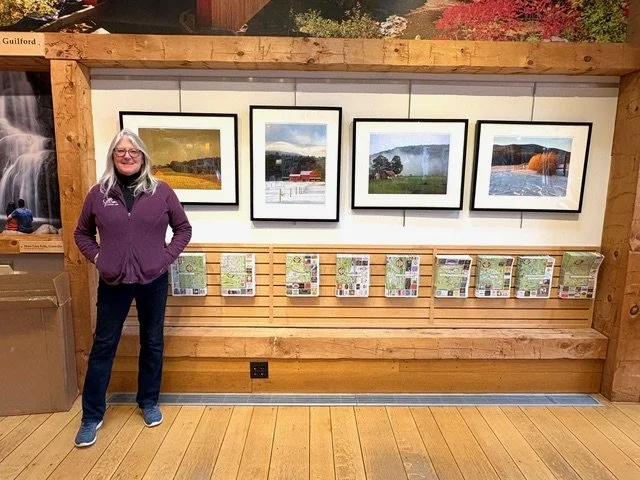
We sat down with local photographer and community volunteer Seline Skoug to discuss her upcoming workshop at the Battenkill Grange during the Festival and the lifelong passions that inform her work. Through photography, fly fishing, and years of advocacy, Seline’s connection to the Battenkill is both personal and far-reaching. Her work reflects a deep sensitivity to light, place, and the restorative power of nature.
Q: Seline, your photography has been described as having a painterly quality. How do you approach capturing the landscapes around us?
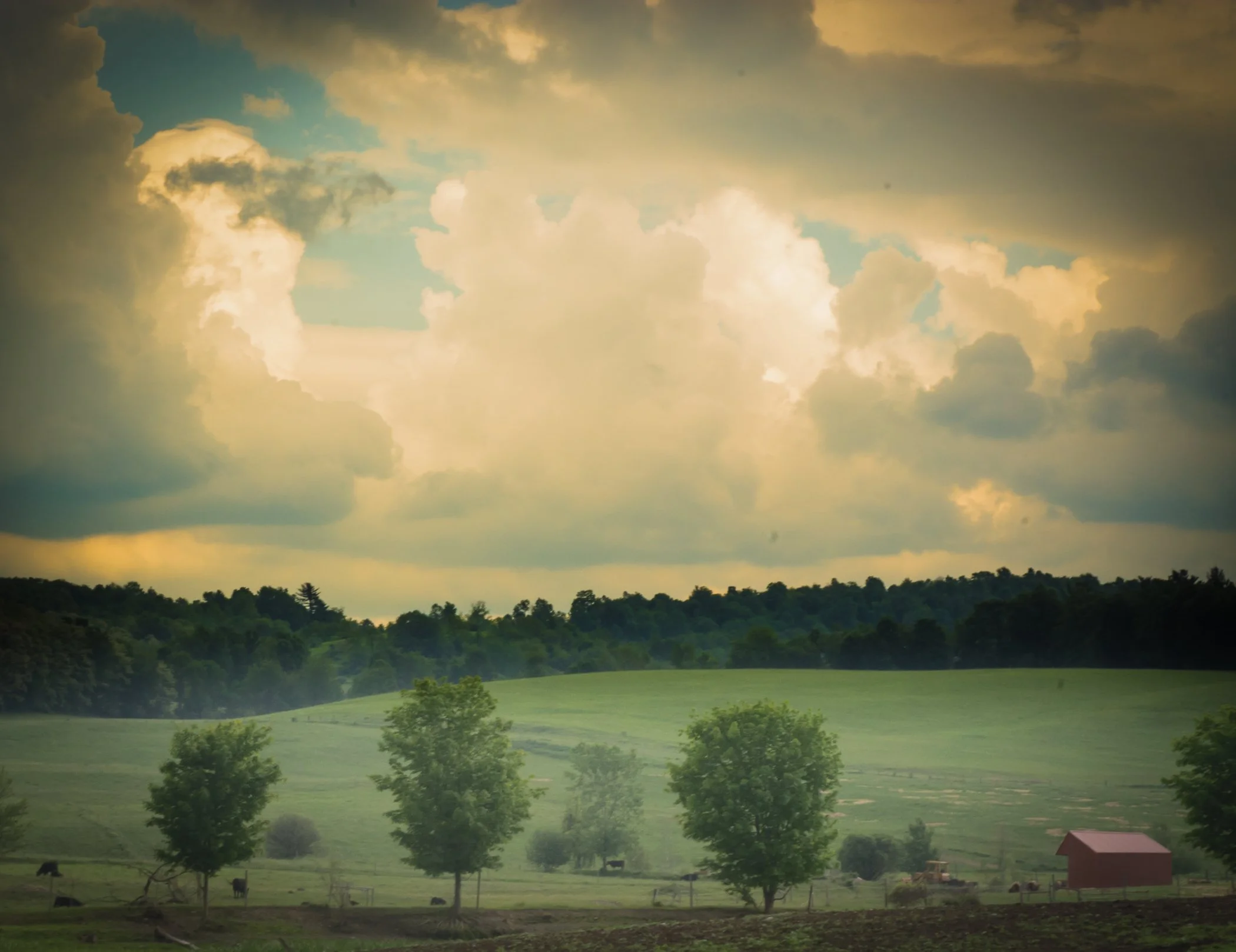
Seline: For me, it’s all about a sensitive treatment of light and finding an authentic sense of place. I’ve always been drawn to the working landscape, those quiet, everyday moments where the light becomes an actor in the frame. Whether it’s a regional exhibition or a photo for a publication like Horticulture Magazine or Untold Stories of the Battenkill, I try to translate my love of nature into a serene image that people can feel at home with.
Q: You have a deep connection to the Battenkill, not just as a photographer, but as a fly fisher. How did that start?
Seline: I’ve been fly fishing since I was about eight years old, in the US, Canada and Norway. But the river became even more significant to me in 1997. My mother, Sally, who was also an angler, passed away from breast cancer, and shortly after, I discovered Casting for Recovery. It was a serendipitous moment that led me to join the board and eventually become CFR’s first Executive Director.
Seline’s Quick Tips for Better Landscapes
Follow the light. The best actor in your photo is the sun. Try shooting during golden hour, the hour after sunrise or before sunset, for that soft, painterly glow.
Frame your subject. Use natural elements like overhanging branches or riverbanks to frame your main subject and add depth to the shot.
Simplify the scene. Sometimes less is more. Look for a single quiet moment or a specific texture in the landscape rather than trying to fit everything into one image.
The best camera is the one you have. Don’t worry about expensive gear. A smartphone is a powerful tool if you focus on composition and lighting first.
Q: That’s a powerful legacy. Does that advocacy work still influence you today?
Seline: Absolutely. Working with our first Program Director, Susan Balch, to develop the CFR curriculum and training guides, which are still used across the US and Europe, was some of the most rewarding work of my life. That same connection to the river and the healing power of nature is exactly what I try to capture in my photography.
Q: You’re hosting a workshop soon at the Battenkill Grange. What can attendees expect?
Seline: It’s going to be very informal and hands-on. We’ll start with a one-hour discussion and then take a short stroll along the Battenkill. We’ll talk about framing the image, mastering the light, and making a photo truly your own. I also want to help people move their photos off their phones and into print so they can enjoy them for years to come.
Join the Workshop
When: Saturday, May 2, 3 p.m.
Where: Meet at the Battenkill Grange, off Route 313 in West Arlington
What to Bring: Your camera or smartphone, and a pair of walking shoes
Space is limited: Sign up in advance by emailing info@arlingtoncommon.org
To see more of Seline’s work, visit selineskoug.com. You can also see her work in the BFFAF Art Exhibit in the Watkins House at the Arlington Common.
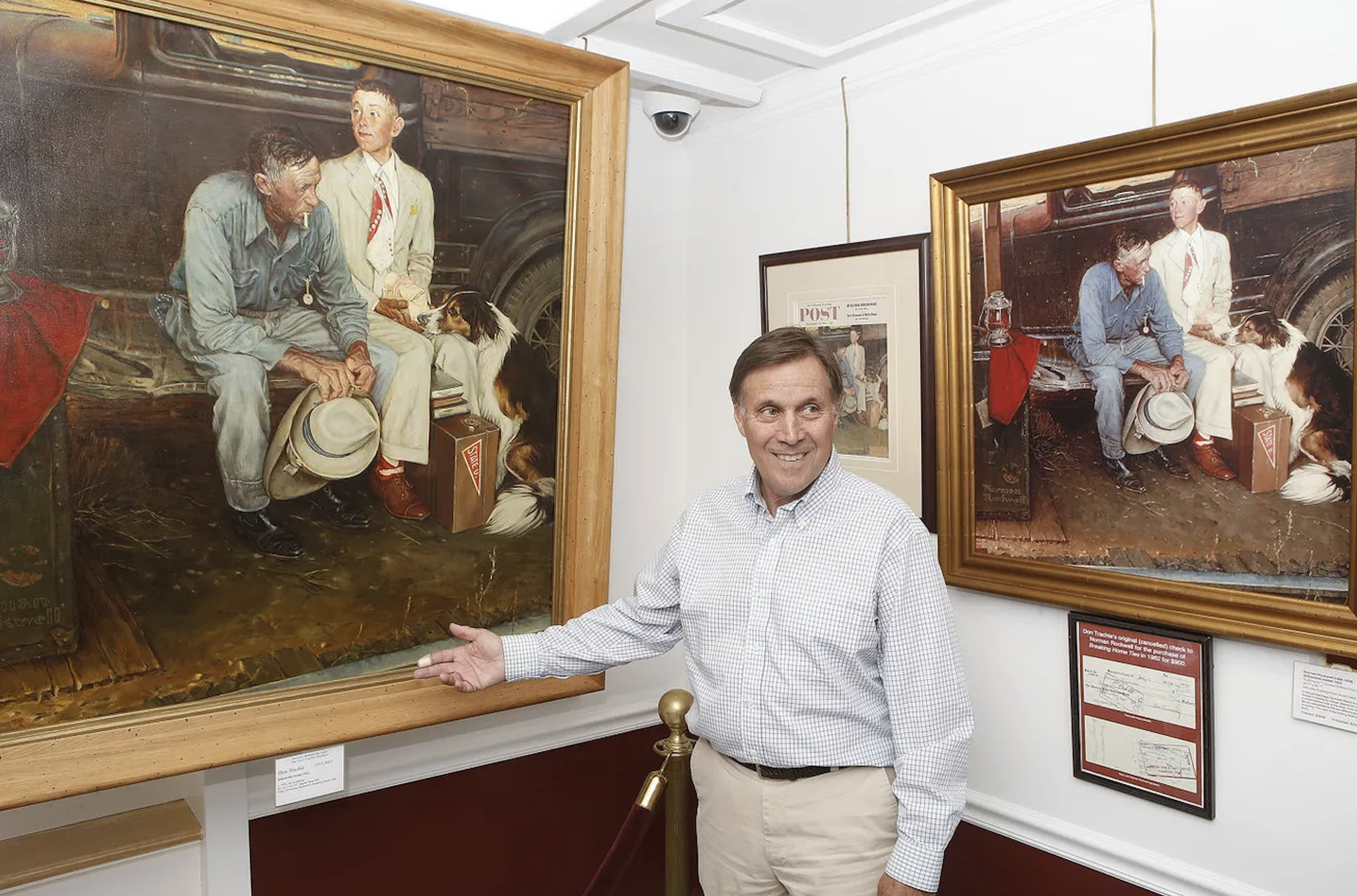
Don Trachte Jr. on the Battenkill’s Artistic Legacy
We spoke with Don Trachte Jr. ahead of his festival presentation on the Battenkill River’s influence on famous local artists. With a firsthand connection to the people and place that shaped Arlington’s creative history, Don offers a vivid perspective on how the river became both subject and setting for some of America’s most recognized illustrators and painters. His reflections connect the Battenkill’s past to the importance of protecting it for the future.
Q: Your presentation on Friday, May 1, focuses on the lure of artists to Arlington. But for you, these weren’t just names in a history book, these were the men you saw every day by the river. What was it like growing up in a town where Norman Rockwell or John Atherton might just be around the next bend in the river?
Don Trachte Jr.: It was an incredible atmosphere. These men were neighbors before they were icons. Keep in mind that I was pretty young, but my father did interact with these artists. I remember Gene Pelham well, and he was a brilliant artist and photographer who actually helped Rockwell scout locations and models. Often, we would see artists on the river banks of the Battenkill catching the right light and texture of the valley. This was just a natural part of life on the Battenkill.
Q: You’ve mentioned that the river served as a communal studio. How did someone like John “Jack” Atherton influence that scene? He was as famous for his fly-tying as he was for his Saturday Evening Post covers.
Don Trachte Jr.: Atherton really bridged the two worlds. He lived the Battenkill life to the fullest. Jack was fascinated with the delicacy of the mayflies and their fragile wing structure. Atherton wondered why artificial flies couldn’t be just as wonderful as nature’s. This was Atherton’s challenge, and his background in the art of magic realism led him to combine both fishing and art. The river gave him a clarity of its own. In return, their art gave the Battenkill a national identity as the ideal American trout stream.
Q: You actually modeled for Rockwell when you were five years old. Did you get the sense back then that these artists, including your father, were consciously documenting a disappearing version of America?
Don Trachte Jr.: At five, I just thought it was a fun way to spend an afternoon watching them paint. But looking back, yes, they were capturing a Golden Age in America. Whether it was my father’s work on the Henry comic strip or Rockwell’s narrative paintings, they used the local residents and the local landscape to tell universal stories. They were deeply protective of this place.
Q: The Battenkill Fly Fishing & Arts Festival isn’t just about nostalgia, it’s about the future. How does the work of these artists help us protect the river today?
Don Trachte Jr.: Art is a powerful tool for advocacy. By showing people the beauty of the Battenkill through the eyes of Ogden Pleissner, Jack Atherton, or Mead Schaeffer, we remind ourselves why this ecosystem is worth saving. The festival’s support of the Battenkill Fund ensures that the river that nourished these artists for decades will continue to flow for the next generation of painters and anglers.
See Don at the Festival
Hear Don’s presentation, The Impact of the Battenkill River on Famous Local Artists, on Friday, May 1 at 5 p.m. in the Arlington Common Performance Hall.